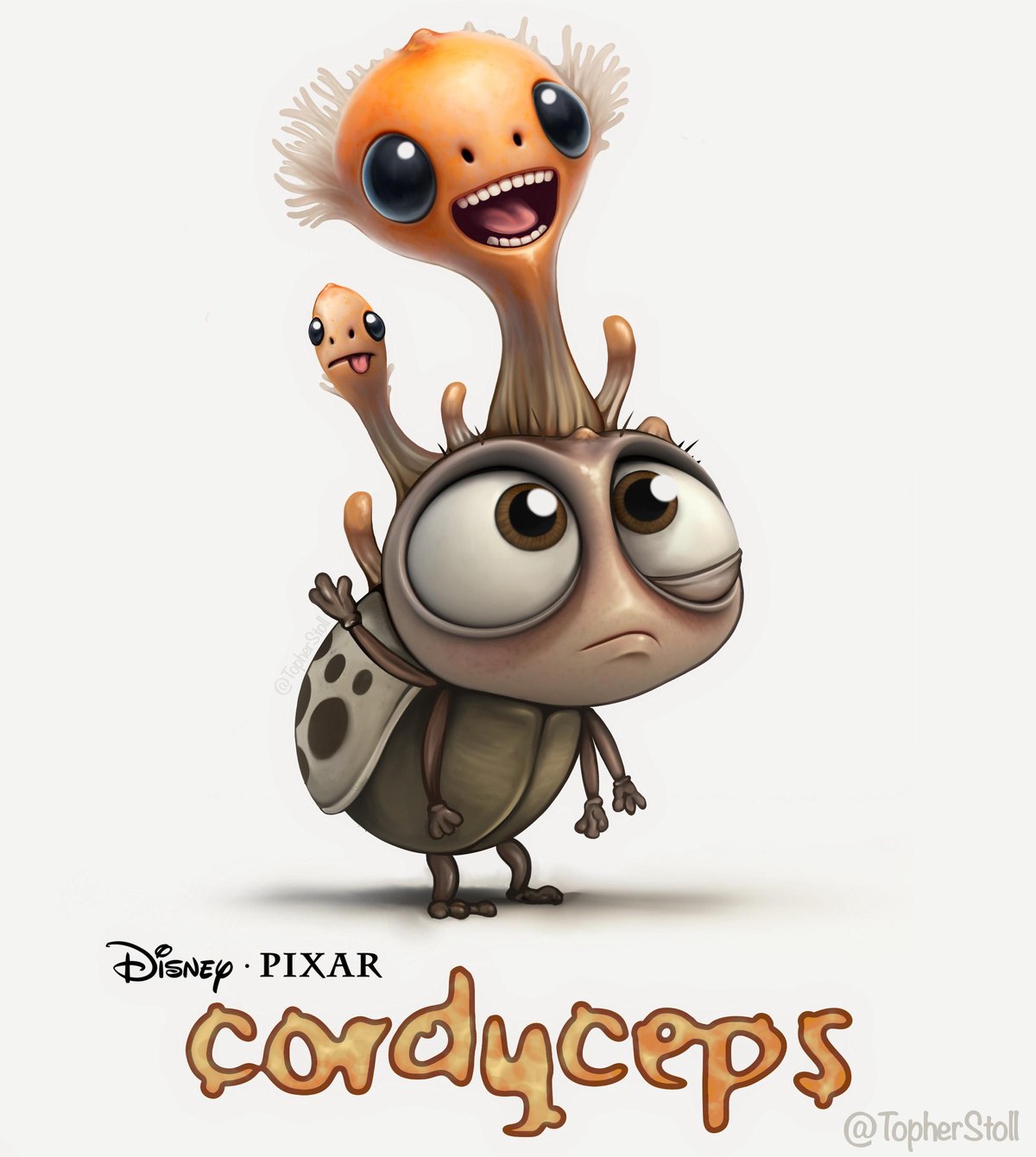
Pixar, the animation powerhouse synonymous with groundbreaking storytelling and visual innovation, has been navigating a strategic shift in recent years. Once celebrated for its "originality-first" mantra, the studio now faces increased pressure to leverage its beloved intellectual property through sequels. This evolving strategy naturally raises questions about the feasibility of revisiting earlier classics, bringing us to a particular inquiry: Pixar's Sequel Strategy & "A Bug's Life 2" Feasibility. Can an iconic film like A Bug's Life, now over two decades old, ever hope for a follow-up in this new landscape, or is its story already perfectly told?
At a Glance: Key Takeaways on Pixar Sequels and A Bug's Life 2
- Financial Imperative: Pixar is increasingly reliant on sequels (e.g., Toy Story 5, Inside Out 2) for financial stability, reflecting a broader industry trend.
- Low Commercial Incentive for A Bug's Life: A Bug's Life (1998) was Pixar's lowest-grossing film domestically for years and lacks strong financial motivation for a sequel.
- Aging CGI & Relevance: Updating the 1998 insect animation could make characters unrecognizable, and the franchise's relevance has diminished over time, evidenced by theme park attraction closures.
- Fan Enthusiasm Exists: Despite studio hesitations, a passionate fan base has created elaborate concepts like "A Bug's Life 2: Revenge of the Grasshoppers," showcasing a desire for more.
- Sequel Candidates: Films like Coco are considered highly likely for sequels due to immense success, while many beloved one-offs (e.g., Ratatouille, WALL-E) remain untouched.
- Nostalgia Cycle: Pixar often waits a decade or more to build nostalgia before greenlighting sequels for established franchises.
Pixar's Evolving Sequel Strategy: A Necessary Shift or Creative Compromise?
For years, Pixar cultivated a reputation for pushing creative boundaries, delivering one original masterpiece after another. Each new film was an event, a testament to the studio's commitment to fresh narratives. However, the commercial realities of Hollywood, particularly within the Disney ecosystem, have undeniably influenced this approach. The landscape has shifted, and with it, Pixar's strategy has adapted to favor established franchises more prominently.
Today, financial stability often hinges on predictable returns. This is why we see Toy Story 5 scheduled for 2026, Inside Out 2 on the immediate horizon, and the strong likelihood of further installments in the Finding Nemo and Incredibles sagas. These aren't just creative endeavors; they're essential pillars of Disney's bottom line. The strategy is clear: double down on what works, what audiences already love, and what guarantees a robust box office or strong streaming numbers. This means that future projects must demonstrate immense financial potential to justify the investment.
The decision-making process for a sequel isn't just about whether a story "could" be told; it's about whether it should be told from a commercial perspective. Studios analyze box office performance, merchandising potential, and enduring cultural relevance. This often means waiting for a significant "nostalgia factor" to build, typically over a decade, before revisiting beloved characters. The original Toy Story came out in 1995, with Toy Story 2 arriving four years later, but subsequent gaps grew longer, demonstrating this patience.
The Balancing Act: Originality vs. Profitability
This pivot has sparked ongoing debate among fans and critics alike. Some view the increased focus on sequels as a dilution of Pixar's artistic integrity, a move away from the innovative spirit that defined its early years. Others see it as a pragmatic necessity, allowing the studio to continue telling some original stories by funding them with the success of its franchises. The truth likely lies somewhere in the middle, a complex interplay between creative ambition and the undeniable pressures of a blockbuster-driven industry.
The Unlikely Return to Ant Island: Why "A Bug's Life 2" Faces an Uphill Battle
Amidst this landscape of carefully selected sequels, some classic Pixar films, despite their charm and historical significance, remain firmly in the "unlikely" pile. A Bug's Life (1998) stands out as Pixar's oldest film without a sequel, and its prospects for one are, to put it mildly, slim. The reasons are multifaceted, weaving together financial realities, technological hurdles, and shifting audience preferences.
Financial Hurdles: A Lack of Commercial Incentive
At the core of any sequel decision is the cold, hard reality of the box office. While A Bug's Life was a success in its time, it was, for many years, Pixar's lowest-grossing film domestically. In an era where animated films regularly aim for billion-dollar global hauls, a sequel to a film with a relatively modest (by today's standards) original performance simply doesn't offer the same financial incentive as a new Toy Story or Inside Out. The calculation is brutal but necessary: the potential return on investment for A Bug's Life 2 likely pales in comparison to other established franchises.
Franchise Fatigue and Diminished Relevance
Beyond the raw numbers, the cultural footprint of A Bug's Life has also receded over the decades. While fondly remembered by those who grew up with it, it doesn't command the same omnipresence in pop culture as, say, Toy Story or Cars. A telling sign of this diminishing relevance is the planned closure of its theme park attraction, "A Bug's Land," at Disney California Adventure. Disney's strategic decisions regarding its theme parks often mirror its broader franchise priorities. If a property isn't driving significant attendance or merchandising, it's a clear signal that the company is moving away from it.
Technological Time Capsule: The Challenge of Updating 1998 CGI
Imagine taking a character from 1998 CGI and animating them to modern standards. The technology has advanced by leaps and bounds. The smooth, detailed textures, nuanced expressions, and complex environmental rendering common in today's animated films are lightyears beyond what was possible when Flik and Atta first graced the screen.
Updating the insect animation from 1998 to meet contemporary expectations presents a significant challenge. The fear is not just the cost, but the possibility that these beloved characters could become visually "unrecognizable" to audiences who cherished their original designs. There's a delicate balance between modernization and maintaining the integrity of the original aesthetic, and for A Bug's Life, this could be an insurmountable hurdle without alienating long-time fans.
Voice Acting Realities (A General Concern)
While the main voice cast of A Bug's Life (Dave Foley as Flik, Julia Louis-Dreyfus as Atta, Denis Leary as Francis, etc.) are largely still active, a long gap between films always introduces potential issues. For other Pixar films, like Up, the passing of lead voice actor Ed Asner (Carl Fredricksen) makes a feature film sequel problematic, even if shorts like Dug Days and Carl’s Date offer some continuation. While not a direct showstopper for A Bug's Life, it's always a consideration for any long-delayed sequel.
The Heartbreaking Reality: Fan Passion vs. Studio Logic
Despite the formidable obstacles, the enduring appeal of A Bug's Life isn't lost on its dedicated fan base. The desire for a continuation of Flik and Atta's story is strong enough that it has spawned elaborate fan-conceived projects, illustrating a compelling contrast between what audiences wish for and what studios deem feasible.
One such detailed concept, "A Bug's Life 2: Revenge of the Grasshoppers," perfectly encapsulates this fan passion. This imagined sequel, with a proposed release date of April 9, 2021, weaves a compelling narrative. The plot would see Flik established as the ant colony's greatest inventor, while Atta has ascended to Queen of Ant Island following her mother's passing. The colony prepares for a grand harvest festival, only for their peace to be shattered by Hopper Jr., the son of the original antagonist, Hopper. Seeking revenge for his father's death, Hopper Jr. not only threatens the ants but also schemes to marry Atta and seize the throne. Flik, naturally, vows to protect his colony and his queen.
The fan concept even extends to a remarkably detailed voice cast, suggesting returning actors like Dave Foley as Flik, Julia Louis-Dreyfus as Atta, and Denis Leary as Francis. New additions like Cameron Diaz as Scarlet (a love interest for Francis) and Phil Davis as Hopper Jr. are imagined. The sheer scope of this fan project, including a full roster of returning minor characters and new grasshopper henchmen voiced by an array of celebrities like Bill Hader and Michael Keaton, speaks volumes about the creative energy and emotional investment fans still have in this world. For those deeply interested in the specifics, you can delve into Everything about A Bugs Life 2, including this fascinating fan concept.
This "Revenge of the Grasshoppers" concept, while impressive, serves as a poignant reminder. It highlights a vibrant community eager for more stories from Ant Island, demonstrating that the appetite for a sequel, purely from an emotional and narrative standpoint, absolutely exists. However, the studio's calculus, driven by the factors outlined above, often overshadows this fan-driven desire. The financial and logistical barriers, sadly, tend to outweigh even the most passionate fan campaigns.
Beyond Flik and Atta: What Makes a Pixar Film Ripe for a Sequel?
Understanding why A Bug's Life is unlikely helps us define what does make a Pixar film a strong candidate for a sequel. It's a blend of commercial success, storytelling potential, and market strategy.
1. Box Office Performance & Global Appeal
Unsurprisingly, a film's initial box office success is a primary indicator. A movie that resonates globally and earns significant revenue provides a clear green light for future exploration.
Case in point: Coco (2017) is consistently identified as the most likely Pixar film (not already part of an ongoing franchise) to receive a sequel. Its massive box office success, grossing over $800 million worldwide, coupled with its critical acclaim and cultural impact, makes it a prime candidate. It’s beloved, artistically accomplished, and proved its commercial power.
2. Merchandising & Theme Park Synergy
Some Pixar franchises are not just films; they are entire ecosystems. Properties like Cars, Toy Story, and The Incredibles generate enormous revenue through toys, video games, clothing, and, crucially, theme park attractions.
The synergy between films and theme park experiences is a powerful driver for sequels. Cars, despite diminishing domestic returns for its film sequels, maintains a significant presence in theme parks, demonstrating its enduring appeal, particularly with younger audiences. This kind of cross-platform success makes a franchise incredibly valuable and justifies continued investment.
3. Untapped Story Potential & Character Arcs
Does the original story leave room for more? Are there compelling unresolved questions or character journeys that warrant further exploration? A sequel needs a strong narrative hook, not just a rehashing of the original.
For instance, Inside Out presented a fascinating world within the mind, and Inside Out 2 explores Riley's teenage emotions, a natural progression of her character arc. This kind of organic story extension is vital.
4. Voice Cast Availability and Continuity
The availability and willingness of key voice actors are paramount. A sequel without its iconic voices can feel incomplete or inauthentic. The passing of Ed Asner, the voice of Carl Fredricksen in Up, makes a feature film sequel to that beloved movie problematic, highlighting how crucial original casting can be.
Conversely, the success of the Monsters at Work TV show, which continues the Monsters Inc. franchise with many original voice actors, demonstrates how a property can extend its life in new formats when the cast is willing and able.
5. Nostalgia Factor & Enduring Cultural Impact
While not always immediate, a film's ability to remain relevant and beloved over time contributes to its sequel potential. Pixar often waits a considerable period – sometimes a decade or more – to allow nostalgia to build for its franchises before diving into new installments. This ensures that when a sequel arrives, it taps into a deep well of affection from an audience eager to revisit their childhood favorites.
Examining Other "Impossible" Sequels & Their Fates
Pixar's catalog is rich with films that, for various reasons, have not received feature film sequels, offering further insight into the studio's decision-making process.
The "One-Off" Wonders: Beloved But Left Alone
Some of Pixar's most critically acclaimed films, despite immense adoration, have remained singular masterpieces. Ratatouille and WALL-E, for example, are frequently cited as among Pixar's finest artistic achievements. However, neither has received any further feature films, shorts (beyond initial home video releases), or dedicated Disney+ programs. This suggests a deliberate choice by Pixar to let these stories stand alone, perhaps believing their narratives were perfectly self-contained or that a sequel might dilute their original impact. Their critical success and beloved status haven't translated into an extended franchise, underscoring that artistic merit alone isn't enough for a sequel.
Franchises Finding New Life (or Not)
The fates of other Pixar properties offer a spectrum of approaches to franchise management:
- Monsters Inc.: While a third feature film seems unlikely, the franchise found new life with the ongoing Monsters at Work TV show on Disney+. This series successfully leverages the original voice actors and extends the world in a format that requires less massive investment than a theatrical feature, demonstrating an alternative path for beloved IP.
- Cars: This franchise presents a mixed picture. While subsequent films saw diminishing domestic returns, its immense popularity with children globally and its significant presence in theme parks (like Cars Land at Disney California Adventure) continue to make it a valuable asset for Disney. A third Cars movie might be hazy, but the franchise as a whole is far from dormant.
- Up: A massive box office success compared to Ratatouille or WALL-E, Up has seen further media in the form of shorts like Dug Days and Carl’s Date. However, as mentioned, the passing of lead voice actor Ed Asner makes a feature film sequel problematic. This highlights the irreplaceable nature of certain vocal performances in animation.
- Brave (2012): This film, despite being a standalone princess story, is considered a potential sequel candidate. Its lucrative performance and strong merchandising potential, particularly for a female-led story, make it an attractive option for future exploration, though no official plans have been announced.
- The Good Dinosaur (2015): This film stands at the opposite end of the spectrum. As a significant money-loser for Pixar, it is among the least likely films to ever receive a follow-up. Financial performance, or lack thereof, can be a definitive barrier to sequel development.
The COVID-Era Unknowns
Films released in the early 2020s, such as Onward, Soul, Luca, and Turning Red, faced unique challenges with their theatrical releases significantly impacted by the COVID-19 pandemic. Many were released directly to Disney+ or had truncated theatrical runs. This makes it difficult for Pixar to accurately gauge public affection and long-term commercial viability in the traditional sense. Any potential sequels for these titles are likely years away, as Pixar sequels often rely on building audience affection and nostalgia over a decade before re-engagement. Their true franchise potential remains an open question.
So, Is There Any Hope for "A Bug's Life 2"?
Given the rigorous criteria Pixar applies to its sequel decisions, and the specific challenges A Bug's Life faces, the prospects for a feature film sequel are exceedingly low. The financial incentives aren't there, the technological leap is significant, and the brand's current cultural footprint isn't strong enough to override these concerns.
However, in the ever-evolving media landscape, "never say never" often holds a tiny kernel of truth. If a Monsters at Work model could be applied, perhaps a Disney+ series exploring new characters in Ant Island, or even a mini-series continuing Flik and Atta's story with modern voice actors, might be conceived. This would be a significantly smaller investment than a feature film and could potentially satisfy the nostalgic urge without the massive risks. But even this seems like a long shot, given Disney's current focus on established, high-performing IP for its streaming service.
The power of fan campaigns, while inspiring, rarely dictates the strategic direction of major studios. While the "Revenge of the Grasshoppers" concept beautifully illustrates the fervent desire for more, it highlights a disconnect between the emotional investment of fans and the pragmatic, often fiscally driven, decisions made at the executive level. For now, the official stance remains: a feature film sequel to A Bug's Life is highly, highly unlikely.
Navigating the Future of Pixar Franchises
Pixar's journey from a purely original content studio to one balancing new IP with franchise extensions is a microcosm of the larger animation industry. The economic realities of filmmaking necessitate a pragmatic approach, favoring established successes and recognizable characters that guarantee an audience.
This means we should expect the studio to continue leaning into its proven hits. Films like Toy Story, Inside Out, and potentially Coco will remain at the forefront of their sequel strategy, providing the financial engine that allows Pixar to fund its next wave of original, boundary-pushing stories. The tension between creative integrity and financial demand will persist, but Pixar has shown a remarkable ability to deliver quality even within the confines of established worlds. The key for them, and for us as an audience, is ensuring that any new installment genuinely enriches the original story rather than merely rehashing it.
Your Guide to Understanding Pixar's Next Steps
As an avid viewer and student of animated cinema, understanding Pixar's evolving strategy can help you anticipate what's next from the studio. It's no longer just about waiting for the next announcement; it's about interpreting the signals.
- Watch the Box Office and Streaming Numbers: These are the clearest indicators of success. Films that perform exceptionally well theatrically or drive significant subscriber engagement on Disney+ are prime candidates for follow-ups.
- Observe Merchandising and Theme Park Developments: If a film's characters are ubiquitous in toy aisles and feature prominently in Disney parks, it signifies a healthy, valuable franchise that the company is invested in. Conversely, a lack of new merchandise or the closure of attractions (as with A Bug's Life) speaks volumes.
- Listen for Creative Justification: When a sequel is announced, pay attention to the creative team's explanation for why this story needs to be told now. Does it feel like a natural extension, or a forced continuation? Pixar's best sequels have always had a compelling narrative reason for existing.
- Consider the Voice Cast Longevity: The ages and availability of original voice actors, particularly for iconic roles, remain a quiet but crucial factor in the long-term viability of a franchise.
Ultimately, while the dream of A Bug's Life 2 may continue to thrive in the hearts of fans, the studio's future lies firmly with its most commercially viable and creatively expandable properties. Understanding these dynamics offers a clearer lens through which to view the exciting, complex, and ever-changing world of Pixar animation.